





-36x36w.jpg.webp)




Australian Aboriginal Penis Sheaths and Their Influence on Modern Penis Jewelry
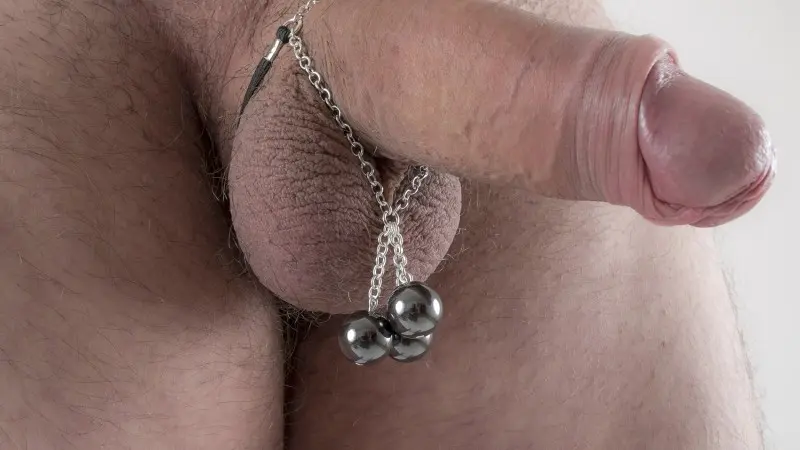
Throughout history, body adornment has played a powerful role in identity, status, and cultural expression. Among Indigenous Australian communities, traditional penis sheaths—often called phallocrypts—were worn for ceremonial, cultural, and sometimes practical reasons. While rooted in deep cultural traditions, these historical adornments have also influenced the evolution of modern penis jewelry, inspiring contemporary designers who create decorative and expressive intimate accessories today.
Understanding the origins and meaning behind these traditional coverings offers valuable insight into how ancient body art connects to today’s phallus jewelry and cock jewelry trends.
What Were Australian Aboriginal Penis Sheaths?
In certain Aboriginal groups in northern and central Australia, men wore penis sheaths crafted from natural materials such as:
Hollowed gourds
Carved wood
Bark or woven fibers
These sheaths were typically secured with string or fiber belts around the waist. Far from being purely functional, they often held cultural and ceremonial significance. In many communities, the sheath symbolized:
Masculinity
Rite of passage
Tribal identity
Social status
They were not designed as erotic objects, but as markers of adulthood and belonging within a cultural framework that valued body adornment.
Symbolism and Design Elements
Traditional penis sheaths frequently featured:
Elongated, sculptural shapes
Natural materials shaped by hand
Decorative elements reflecting tribal identity
The phallic form itself carried symbolic meaning, representing strength, fertility, and manhood. These design features laid the foundation for how the phallus has been interpreted artistically in later cultures.
Influence on Modern Penis Jewelry
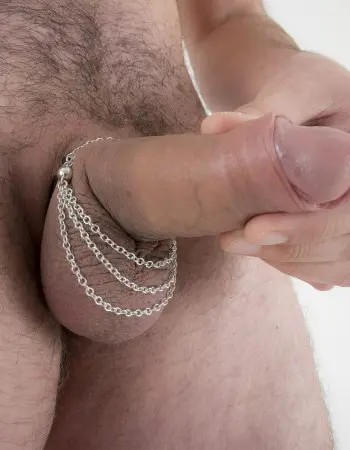
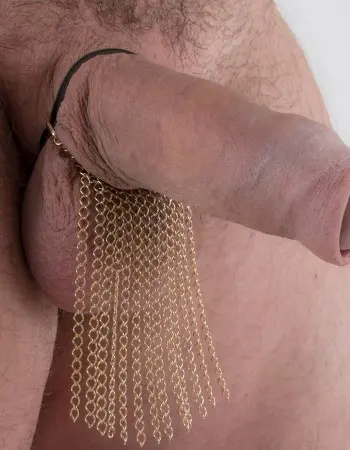
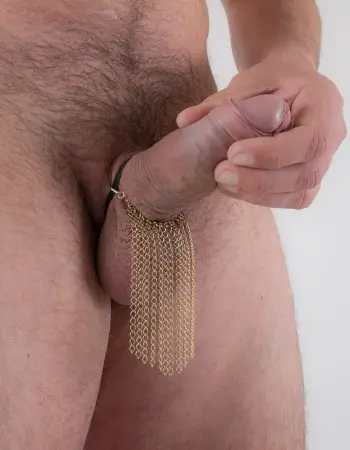
Today, penis jewelry and cock jewelry exist primarily within fashion, fetish, performance, and personal expression contexts. While modern pieces differ significantly in purpose and materials, some parallels can be observed:
1. Sculptural Emphasis
Just as traditional sheaths emphasized shape and form, modern phallus jewelry often highlights the anatomy through decorative rings, cages, or adornments that frame and accentuate the body.
2. Identity and Self-Expression
For Aboriginal men, the sheath reflected belonging and adulthood. In contemporary culture, penis jewelry can serve as:
A form of self-expression
A symbol of sexual confidence
A personal aesthetic statement
The body remains a canvas for identity, just as it was historically.
3. Materials and Craftsmanship
While ancient sheaths were made from organic materials, modern penis jewelry incorporates:
Stainless steel
Silicone
Precious metals
Leather
Designers often draw inspiration from tribal, natural, and minimalist aesthetics, blending historical symbolism with contemporary craftsmanship.
Cultural Appreciation vs. Appropriation
It’s important to acknowledge that Australian Aboriginal penis sheaths are part of living Indigenous cultures with deep spiritual and social meaning. Modern designers inspired by historical forms must approach these traditions respectfully, recognizing their origins and cultural significance.
Understanding the history behind body adornment allows for informed appreciation rather than superficial imitation.
The Evolution of Phallic Adornment
Across civilizations—from ancient tribal societies to modern fashion and fetish communities—the phallus has been adorned in various ways. What changes over time is the context: cultural ritual evolves into personal style; traditional symbolism transforms into aesthetic exploration.
Modern penis jewelry, phallus jewelry, and cock jewelry represent a contemporary continuation of humanity’s long-standing relationship with body decoration. While motivations differ, the underlying concept remains consistent: using adornment to express identity, confidence, and creativity.
Final Thoughts
Australian Aboriginal penis sheaths demonstrate that intimate adornment is not a modern invention. They reflect a historical tradition of sculptural body decoration tied to meaning, masculinity, and community.
Today’s penis jewelry designers operate in a completely different cultural and commercial space, yet the thread connecting past and present remains clear: the human desire to decorate, symbolize, and celebrate the body.
By understanding these roots, we gain a deeper appreciation for how ancient traditions influence modern expressions of adornment.
Related Products
Leave a comment